


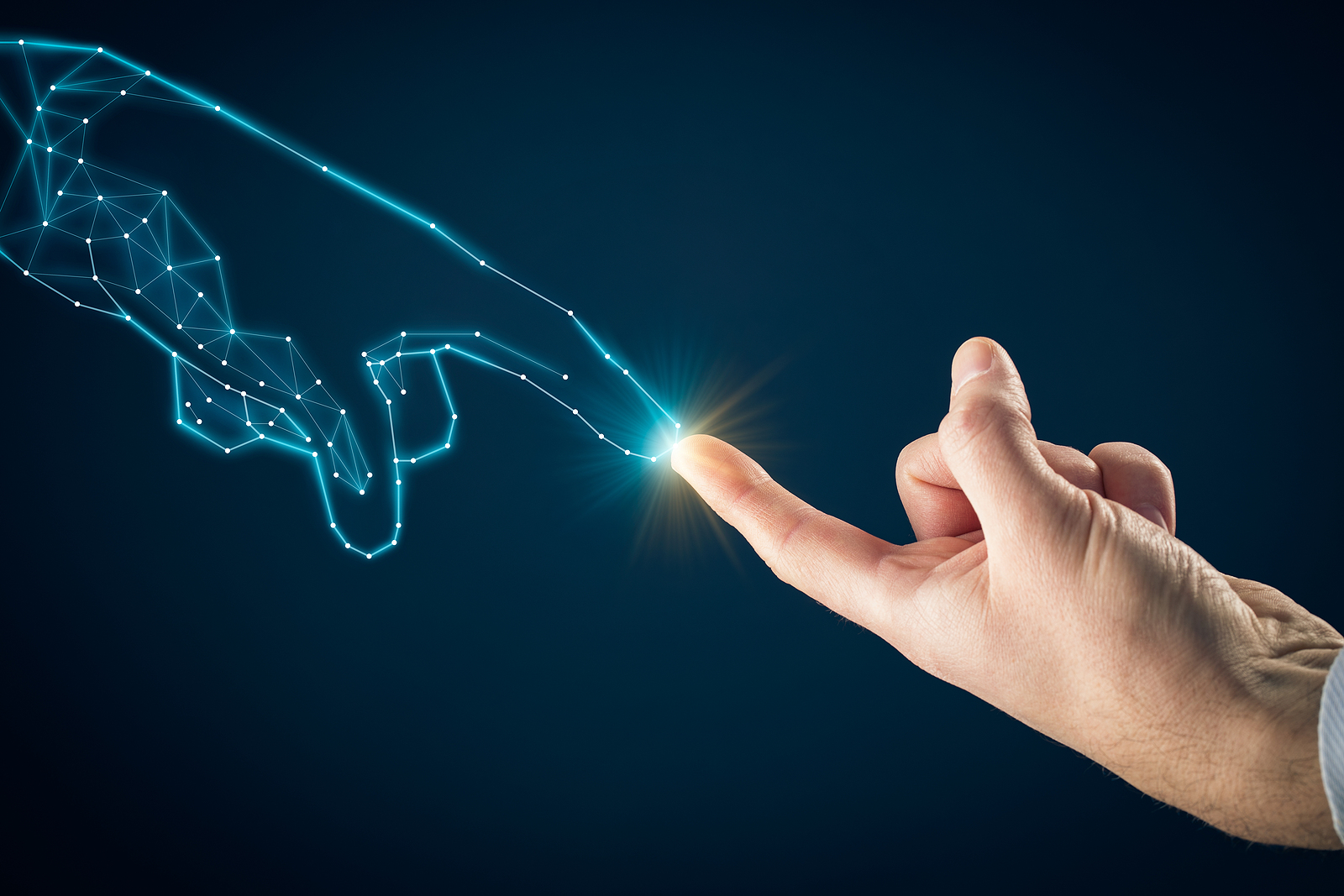
The AI boom has turned everything into a fast-moving carnival of apps, plug-ins, and ready-made templates.
“Will AI leave me behind?” is the question plaguing designers. It’s natural to panic, but before you do, take a breath: If you can’t beat it, learn to embrace it.
Reality check
Let’s be honest. AI isn’t here to take away our job. It’s more like a very eager intern who never sleeps and always has suggestions. It can whip up ideas super quick and its even faster at helping us discard ones that will not work and mock up endless variations. For designers, that’s gold.
Design has always been half magic and half method. That sudden moment of inspiration? Lovely. But the work underneath – the research, the user understanding, the editing – that’s what turns sparks into something that connects.
AI helps with the dreaming and the drafting stages, but it doesn’t replace the years of research, nature walks, museum visits or window shopping. It can propose patterns, prints and layouts, but you still need to ask: Who is this for? What problem are we solving? What feels true to the brand’s voice, and what is just following a trend?
Drivers of change
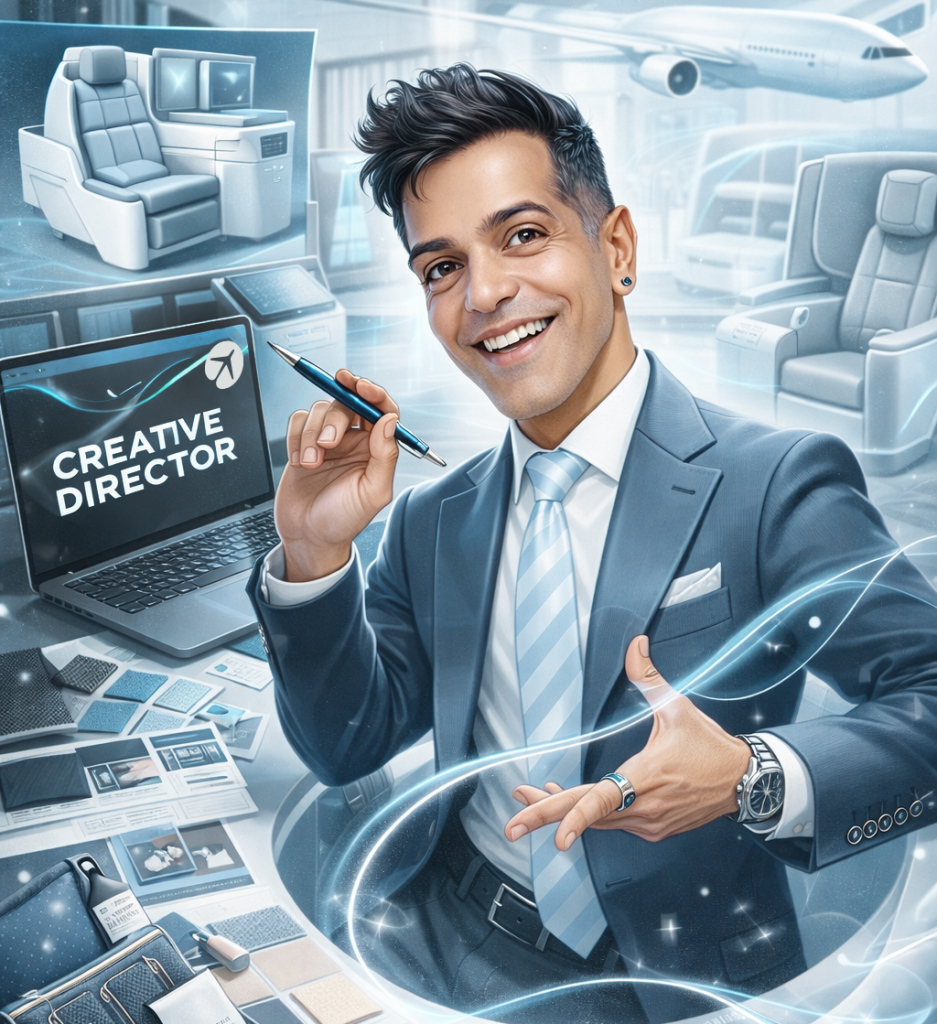
I’m a hybrid craftsperson. I still love the tactile thrill of cutting up magazines and pinning them on a board. But now my studio is two-faced in the best way: a physical mood board and a digital one that iterates while I sleep.
The thing that allows Design to connect is emotion and AI doesn’t feel. It can mimic sentiment, yes, and it can analyse trends in emotional language, but it doesn’t carry a heart full of childhood summers or the colour palettes in a Bollywood dance video.
At Plane Talking Products, research is rooted in aviation history – surfacing as anecdotes in almost every conversation. It’s amazing to see how far airlines have come. We’ve all evolved, and now this legacy is being passed on to a new generation – one that’s creating fresh anecdotes of its own, this time with AI as the newest tool in the kit.
However, one thing that remains the same – it’s the human designer who can bring it all together: context, empathy, and an aesthetic instinct. We know best when and how to bend the rules.
So, let’s continue practicing the art of designing, feeling, painting, and creating
In the end, design hasn’t lost its soul – it’s changing tools the way artists always have.


