



In the ever-evolving travel space, airlines especially are seeking ways to enhance the passenger experience. Of course, the same can be said of cruise and rail companies, but airlines have always had the most restrictions in terms of supply chain and fitting products in confined galley spaces.
This is a conundrum when one of the biggest demands of today’s flying passenger is choice. Thus, airlines are continuously looking at how they can cater to the diverse preferences of their guests onboard. Airlines are recognising that beverages – whether alcoholic, non-alcoholic, seasonally focused or specialty drinks – are not simply a refreshment, but an opportunity to personalise the passenger journey.
As health and wellness continue to be a priority for many travellers, the introduction of drinks made from fresh ingredients can offer a mindful alternative to a traditional menu. Incorporating fresh ingredients into the inflight beverage service aligns with the growing trend of seeking sustainable choices in the airline industry. By sourcing local and seasonal products, airlines can reduce their carbon footprint.
There are several airlines leading the charge in offering more than the staple sodas, tea, coffee and standard spirits. Virgin Atlantic, for example, has introduced a range of wellbeing options focused on sustainable packaging and great tasting non-alcoholic options alongside a carefully selected wine, beer and spirit offering.
Saudia recently added to its listing of premium non-alcoholic drinks with Jukes Cordialities cocktails. British Airways has also worked closely with brands and personalised the offers available cross-category for their Buy on Board selection, including the now very well-known and loved Speedbird 100 beer.
Plus, a new collaboration launched this summer with Grind Coffee, featuring a specific blend that takes into account the effect on tastebuds at 38,000ft. Many airlines are looking at options aimed at satisfying all tastes.
Expanding non-alcoholic selections
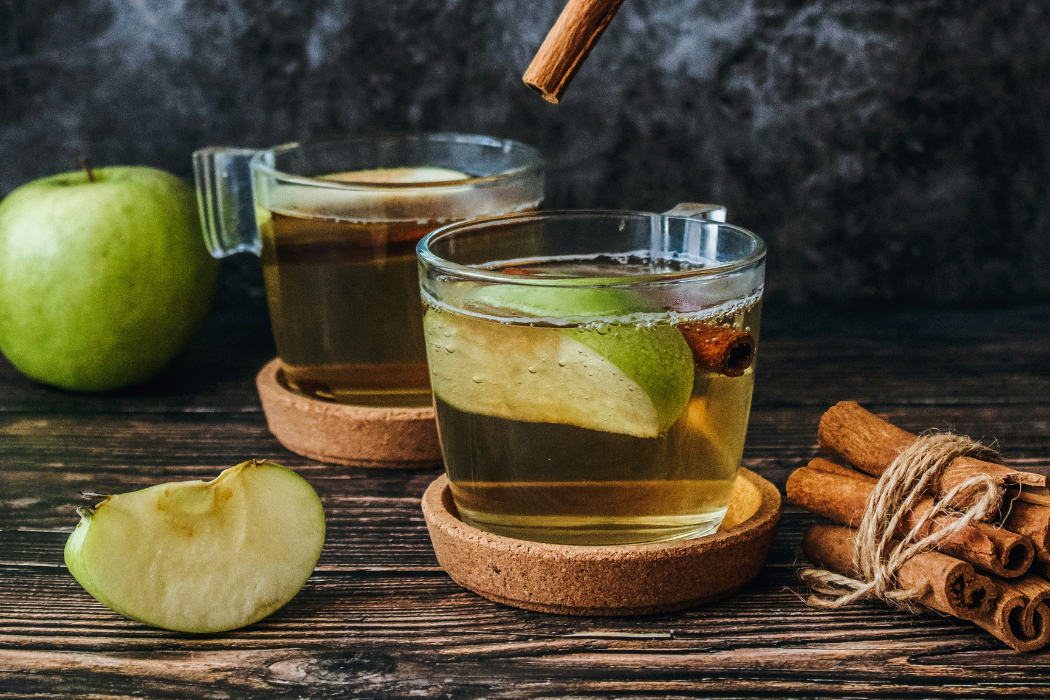
Alcohol may be avoided on an aircraft for many reasons. Over the past five years, the non-alcoholic beverage options have seen significant upgrades. Instead of a couple of sodas and straight juice options, travellers can hope to see some of the following depending on who they’re flying with:
Herbal infusions: Most airlines have always served tea and coffee, but varied flavours, healthy infusions and cold options are now widespread.
Cordials: A refreshing alternative to plain water, offering diverse flavours and health benefits due to functional ingredients such as apple cider vinegar.
Wellness shots: Popular with passengers who are looking for an energy boost without caffeine, an aid to digestion or a soothing shot to support relaxation.
Non–alcoholic bar options: There is no denying that the mindful drinking trend we have been seeing for some time on the ground, now exists onboard. In response to this, airlines are selecting brands from a now widely available selection of non-alcoholic wine and spirit alternatives, non-alcoholic beers and alcohol-free cocktails.
Premiumising bars

Despite the restricted space and complex supply chain, airlines are finding clever ways to optimise the galley areas and provide a more sophisticated inflight drinking experience. Some of these enhancements include:
Adaptive wine programmes: There is growing expectation, especially in Premium Economy cabins, for top quality wines from renowned vineyards. This poses a specific challenge for larger airlines, as many premium wine producers do not yield enough for the volume required. To combat this, more airlines are investing in wine experts who can not only select great wines, but ensure they are seeking the right style and volume for their passengers onboard.
Signature cocktails: Cocktails have always been popular in the sky, but the category is particularly en vogue right now. We are seeing lots of creative mixology, either developed in house or by buying in great ‘ready to drink’ (RTD) options to serve a consistent, perfect cocktail every time.
One of the latest new concepts for creating cocktails and mocktails onboard focuses on utilising the fundamental building blocks of mixology: lime, lemon, tropical fruits and berries. This innovative approach not only elevates the inflight beverage service, but also caters to the growing demand for fresh, flavourful and customisable drink options. Above all, choice and the ability to offer a whole menu of passengers’ favourites. Look out for more information on this concept as the brand launches in January next year.
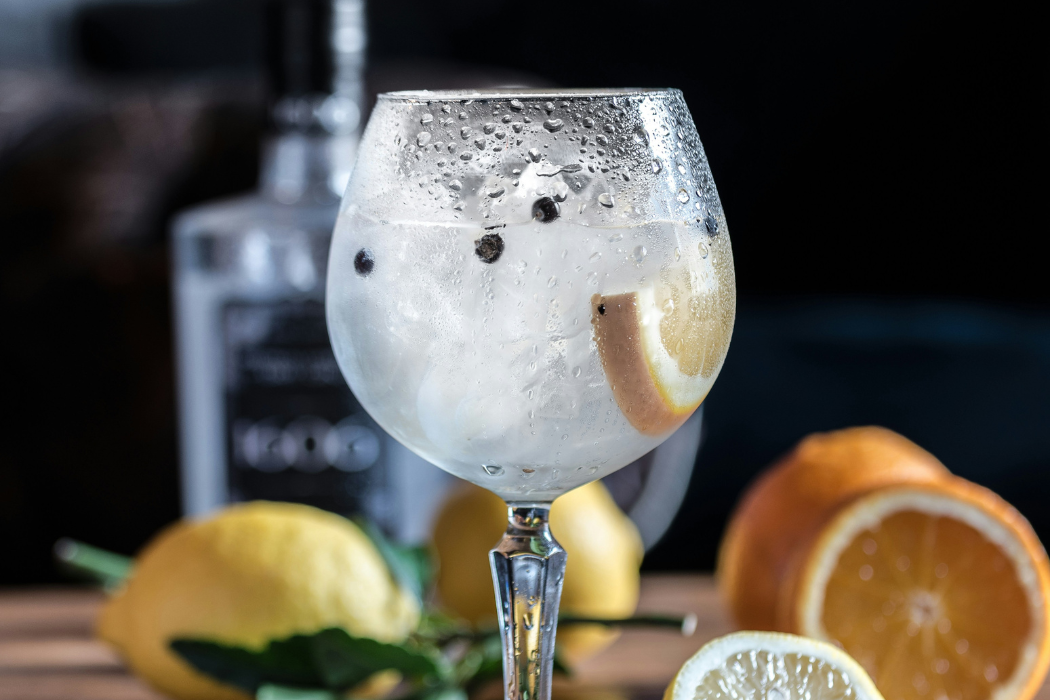
Bespoke brews: Although beer has always been a popular tipple, its style of production and lower ABV really benefits from careful selection of the taste profile when being served at altitude. For this reason, many food and beverage leaders have opted for a crafted brew, created solely for the airline – building on personalisation and showing passengers care and attention to detail is top of the agenda.
Artisan spirits: In response to passengers’ desire to see more choices available, airlines are increasingly featuring products from independently owned distilleries with a perceived artisan brand quality across favourite sub-categories including gin, whisky and vodka.
Local and international inspirations
One of the most exciting responses to trends up in the air is seeing menus explode with exciting drinks options inspired by the destinations they fly to or their home turf local delicacies. Passengers flying can now taste local specialties or global flavours. Amongst the world’s airlines, this may include matcha teas, speciality coffees and local rice wines in Asian markets, seasonal aperitifs such as Aperol from Italy, as well as fine wines and locally produced or country inspired signature cocktails.

Choice is here to stay
The demand for more choice is a trend that’s here to stay and it’s likely consumer expectations will continue to heighten. I am sure that the food and beverage selection will continue to play an important role in how airlines compete for customer loyalty. As airlines look to differentiate themselves, providing their passengers with more choice and control over their inflight experience is a key selling point. The variety in beverage offerings not only makes the journey more enjoyable, but can also enable travellers to feel more connected to the destinations they’re flying to and from.
Continuous innovation from airline drinks selectors and the expansion of their offerings, means that the future of inflight drinks looks diverse, dynamic, exciting and filled with more choice than ever before.

Kelly Stevenson, Director at JetVine, specialises in supporting wine producers and airlines to offer the world’s best wines. She previously worked as a global wine and beverage manager at British Airways. Stevenson is a returning ambassador at this year’s WTCE 2025.


